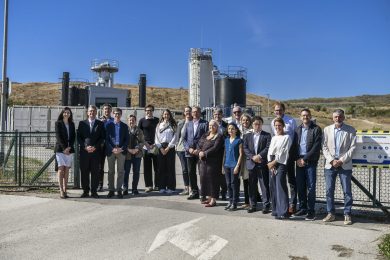
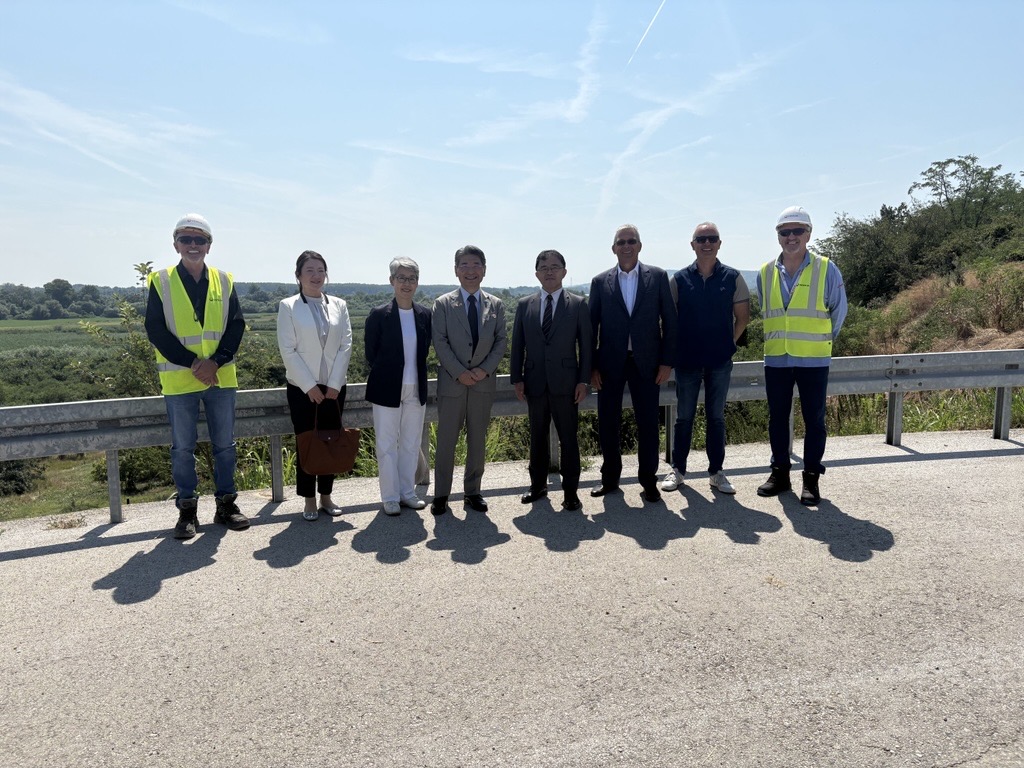
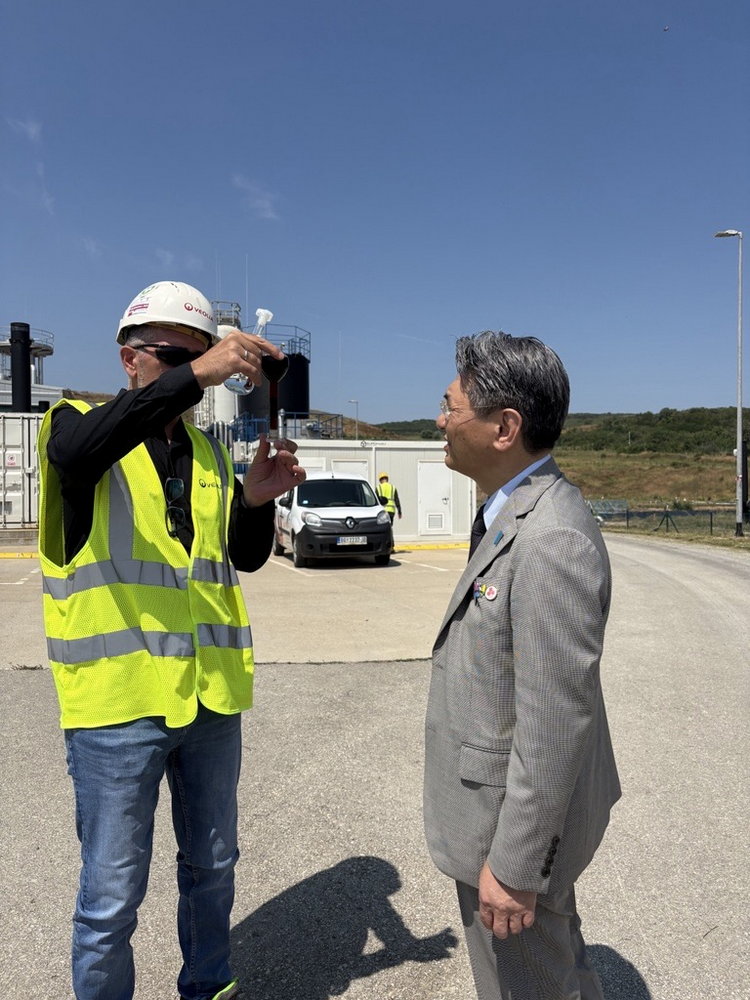
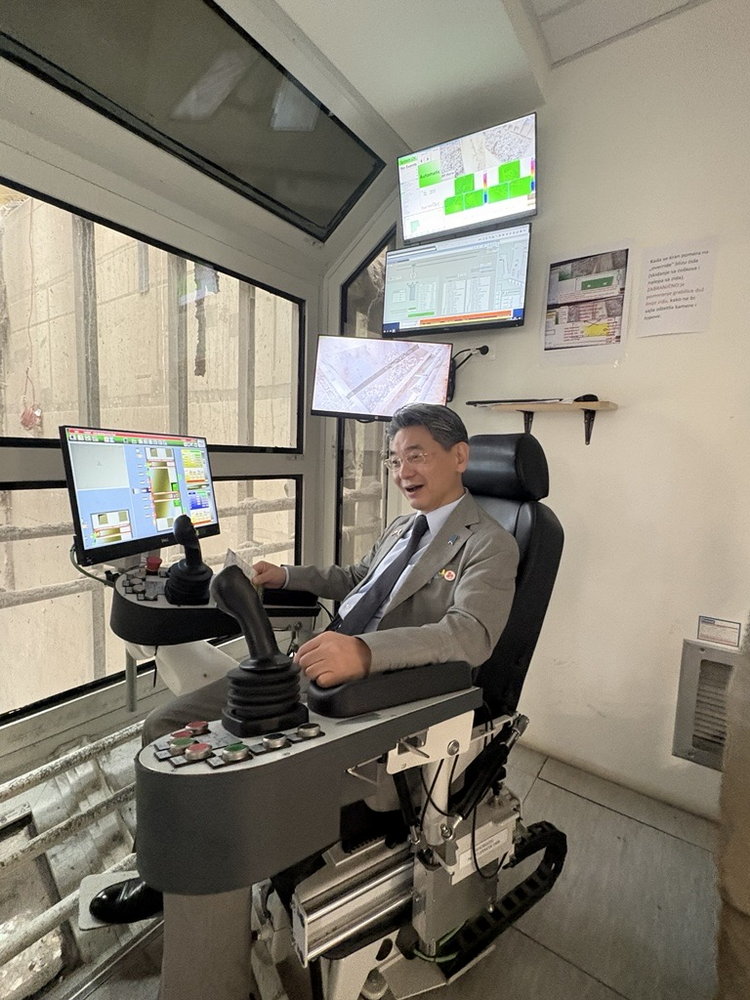
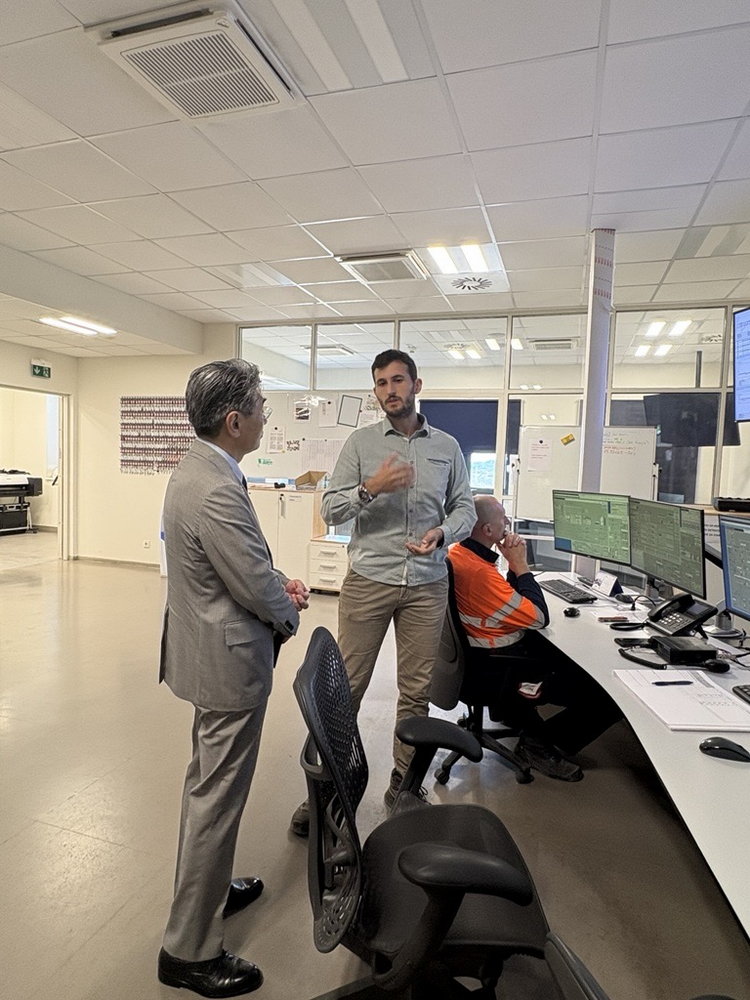
H.E. Mr. Naohiro Tsutsumi, Ambassador of Japan to the Republic of Serbia, accompanied by his wife, Mrs. Yuri Tsutsumi, and Ms. Kaori Igarashi, First Secretary of the Embassy of Japan, visited the Vinča Waste Management Centre.
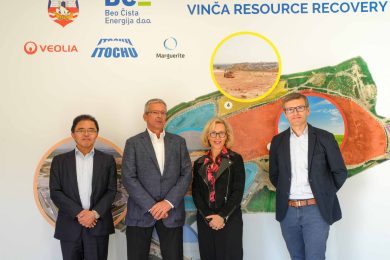
The hosts of the visit, Mr. Katsuhiko Hoshikawa and Mr. Vladimir Milovanović, Managing Directors of Beo Čista Energija, presented the results of the Public-Private Partnership project between the City of Belgrade and the consortium comprising the Japanese Itochu Corporation, the French Veolia Group and the pan-European Marguerite Fund. With a total investment of EUR 400 million, the project represents the most significant environmental investment in Serbia.
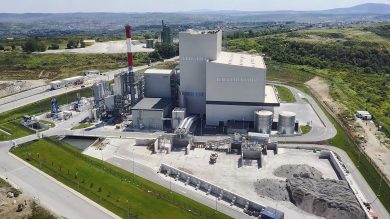
During the visit, Ambassador Tsutsumi toured the key facilities of the Vinča Resource Recovery Centre, which spans 133 hectares and includes the Energy-from-Waste (EfW) Plant—the first facility of its kind in the Balkans—a new sanitary landfill, a leachate treatment plant, a landfill gas facility, and a construction and demolition waste recycling plant.
H.E. Mr. Naohiro Tsutsumi, Ambassador of Japan to the Republic of Serbia, stated:
“I was very much impressed by this meaningful Belgrade Waste Management PPP project which introduces an eco-friendly waste management system. Wishing for a success of this project and will support for that.”
Mr. Katsuhiko Hoshikawa, Managing Director of Beo Čista Energija, stated:
“Sampo-yoshi” (good for the seller, good for the buyer, and good for society) is one of the cornerstones of Japanese business philosophy. The Belgrade Waste Management PPP project embodies this philosophy. A solid partnership built on trust, a long-term vision and shared responsibility can deliver lasting benefits for citizens, the environment and future generations.”
Mr. Vladimir Milovanović, Managing Director of Beo Čista Energija, stated:
“The Waste Management Center in Vinča is the first integrated waste management system in Serbia and South-Eastern Europe. About 700,000 tons of municipal waste are accepted here annually, half of which is thermally treated in a waste-to-energy power plant and heat and electricity are produced, which supplies tens of thousands of households in Belgrade. The other half, which is twice as large as stipulated under the PPP Contract, is disposed of in a sanitary landfill. Faster filling of the available space for the expansion of the sanitary landfill requires that the City of Belgrade start considering possible solutions. Beo Čista Energija believes that the expansion of the capacity for thermal treatment of waste, the construction of another waste-to-energy power plant, could be a purposeful and long-term solution.”